The Garrigou University Library
A heritage library with a historical focus
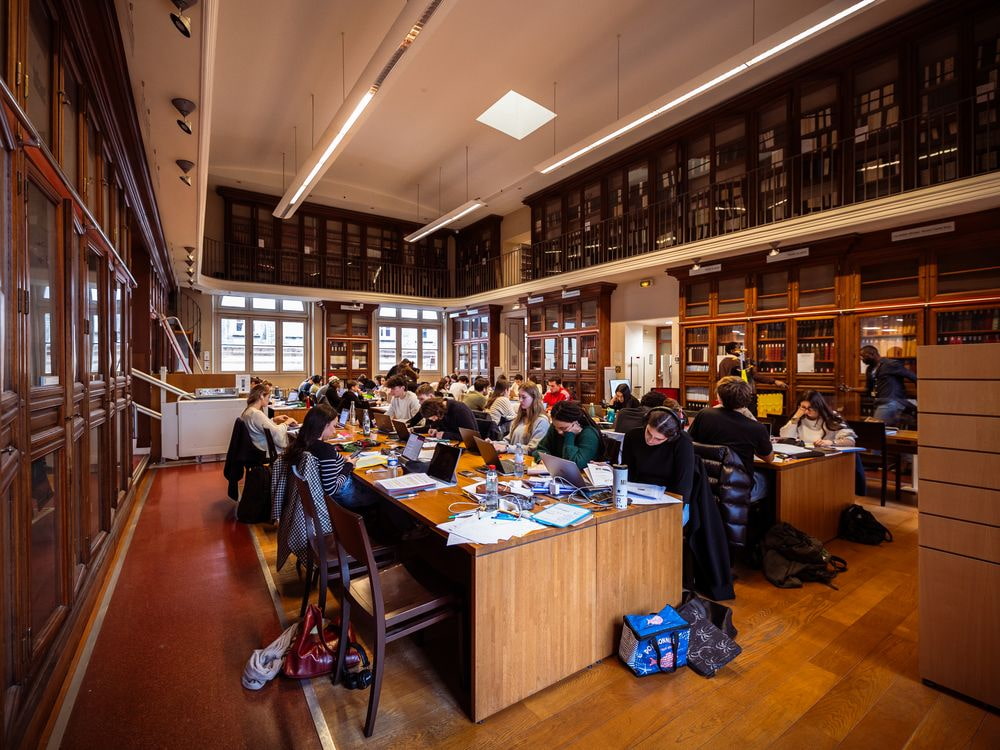
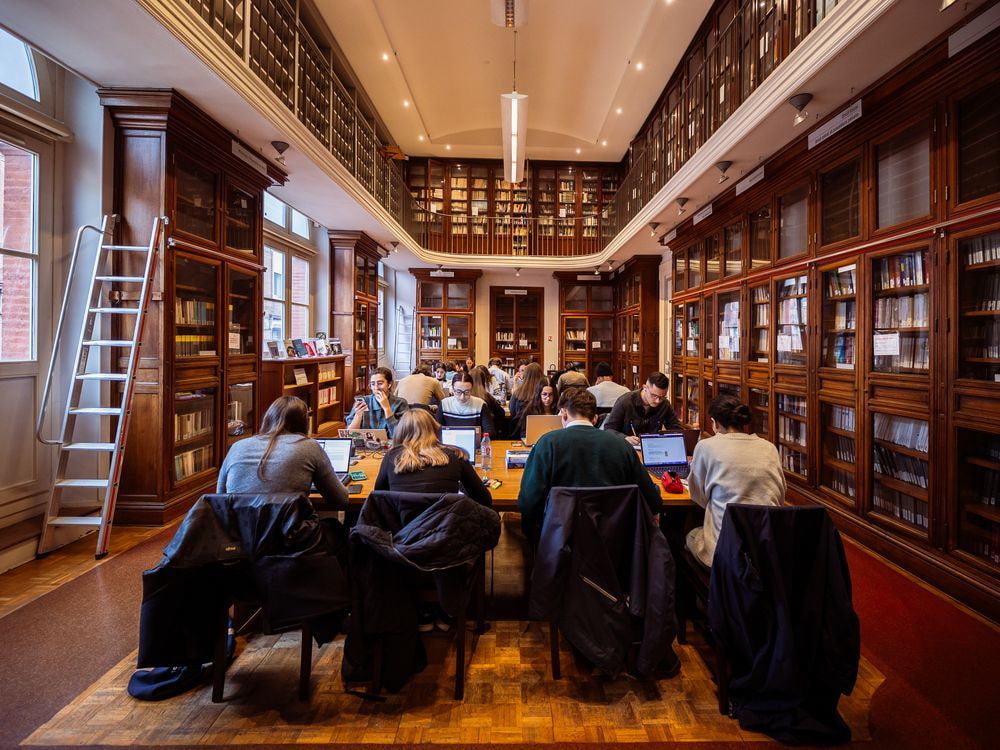
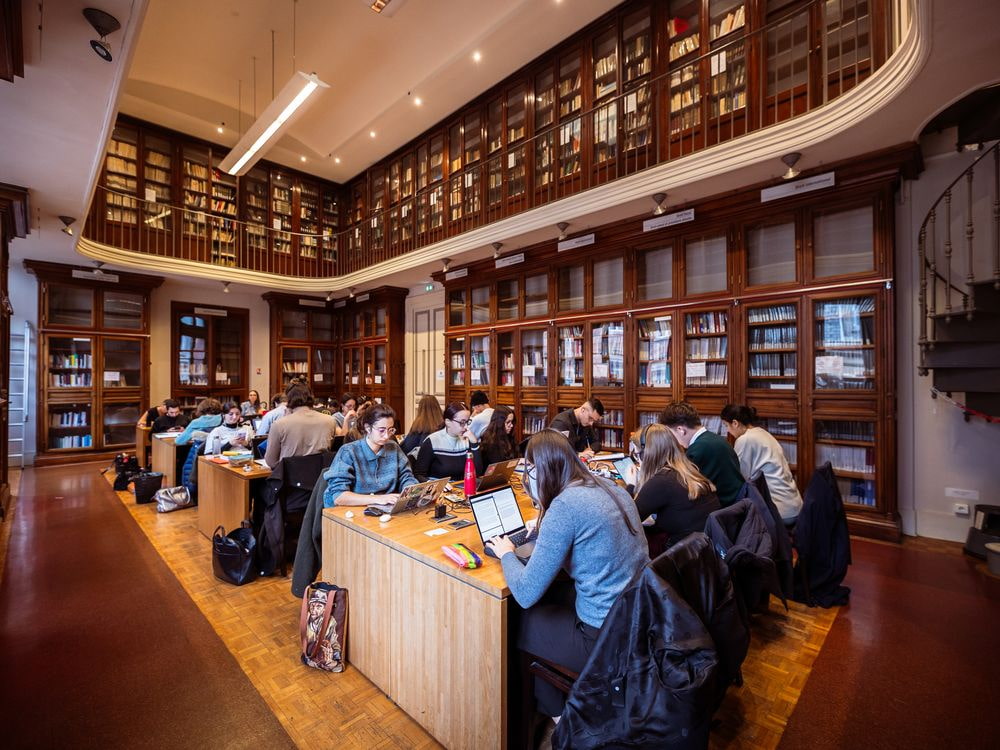
The Garrigou University Library, situated in the Anciennes Facultés buildings, combines a historic setting with modernity. With its oak display cabinets and cornices, it offers a warm and inspiring working environment.
It offers 154 seats, as well as computer workstations dedicated to accessing digital resources. Users will find extensive collections covering the history of law, legal doctrine and management.
PhD students have access to a dedicated room, fitted with modular furniture, where they can work in a quiet environment suited to research.
Opening hours of the Garrigou University Library
From 7 September to 30 April
- Monday to Friday: 9 am to 8 pm
- Saturdays: 9.30 am to 5.30 pm
Closed on Sundays and public holidays
Annual closure from 30 April
Subjects covered
- Law
- Management
Access and transport
Entry address:
2 Ter, rue des Puits-Creusés
31042 Toulouse Cedex
Tél : +33 05 61 63 37 09
Fax : +33 05 61 63 37 06
Bus : L1, 14, 63 (Compans-Caffarelli stop)
Metro line A : Capitole station
Metro line B : Compans-Caffarelli station
Vélô Toulouse station
A bit of history...
The Garrigou Library, which formed part of the project to rebuild the Toulouse Faculty of Law during the Third Republic, was opened in 1882 in a building designed by Marcel-Auguste Dieulafoy. It owes its name to a donation made by Maurice Garrigou’s widow in 1913.
In the 20th century, it expanded and modernised, particularly after 1968, with the incorporation of the Anciennes Facultés campus.
In 2002, a major refurbishment combined tradition (restoration of the display windows, embellishment of the cornices) with modernity (computer workstations, bringing the building up to safety standards). Since 2003, it has been fully integrated into the University’s Joint Documentation Service.
In the 20th century, it expanded and modernised, particularly after 1968, with the incorporation of the Anciennes Facultés campus.
In 2002, a major refurbishment combined tradition (restoration of the display windows, embellishment of the cornices) with modernity (computer workstations, bringing the building up to safety standards). Since 2003, it has been fully integrated into the University’s Joint Documentation Service.