
- Research,
A look back at the WCTR 2026: experts from around the world gathered at UT Capitole to rethink the future of transport
from July 6, 2026 to July 10, 2026
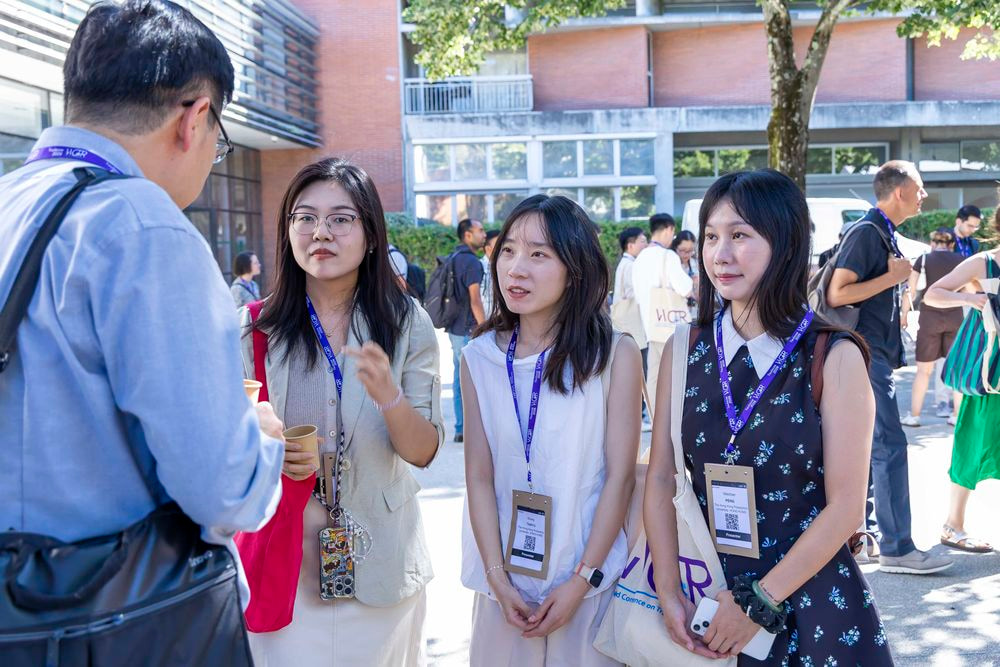
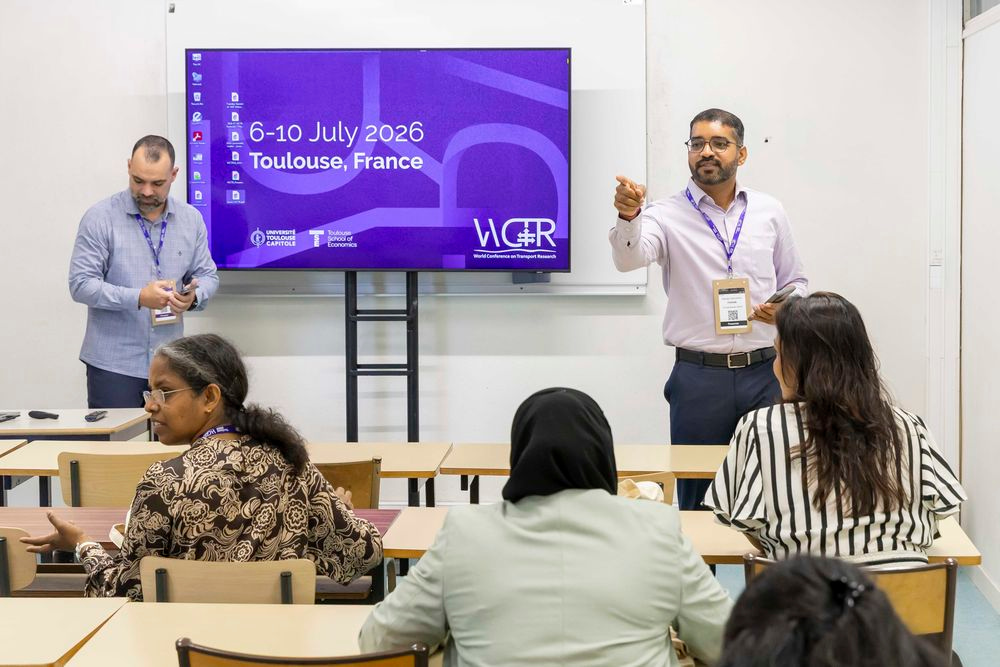
From 6 to 10 July, the Toulouse School of Economics (TSE) and the Toulouse Capitole University hosted the 17th World Conference on Transport Research (WCTR). Over 1,500 participants gathered over four days for a forum dedicated to the exchange of ideas between scientists, industry representatives, policy-makers and academics from around the world.
As the European capital of aeronautics and aerospace, as well as a major hub for mobility, Toulouse benefits from a unique ecosystem that brings together academic research, industry players and public institutions. This unrivalled regional context has enabled the event to bring together leading organisations in the transport sector, such as Airbus, SNCF and Air France.
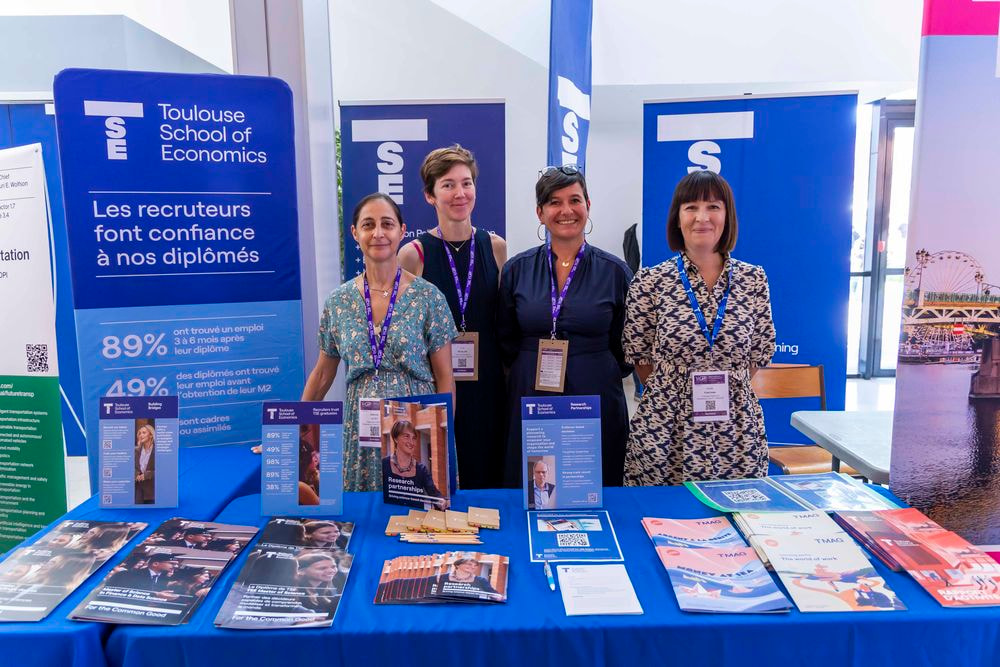
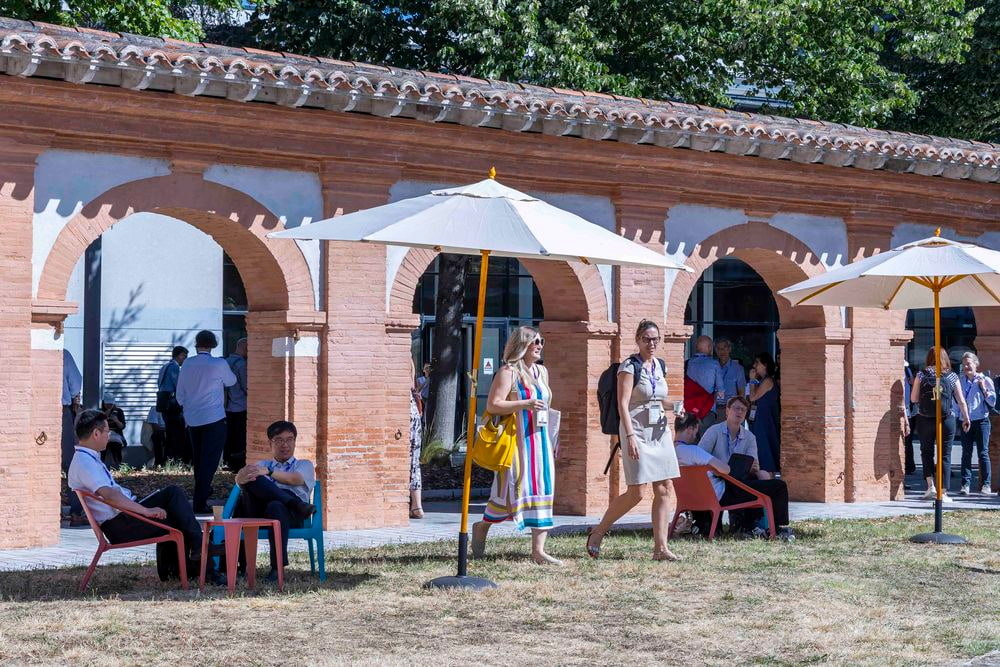
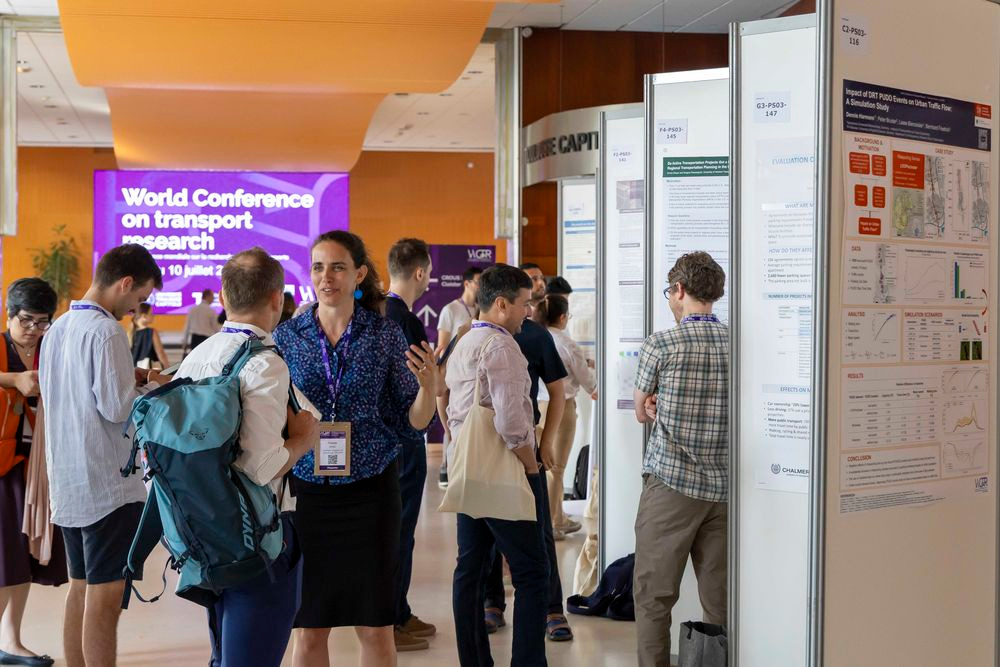
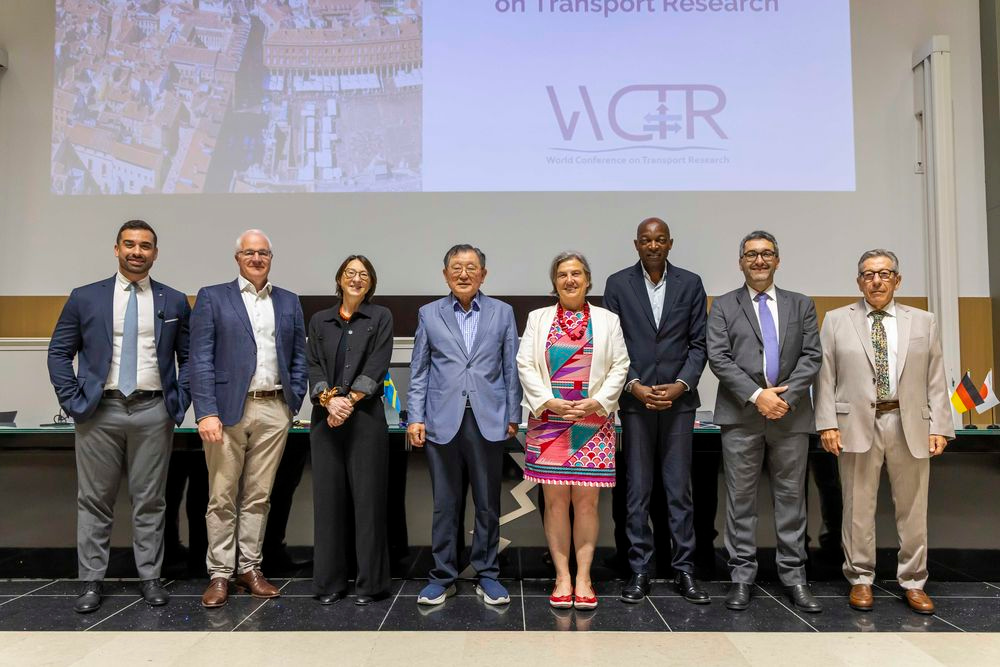
A look back at the WCTR 2026 in pictures
- Retour en images sur le WCTR 2026 à UT Capitole
- Retour en images sur le WCTR 2026 à UT Capitole
- Retour en images sur le WCTR 2026 à UT Capitole
- Retour en images sur le WCTR 2026 à UT Capitole
- Retour en images sur le WCTR 2026 à UT Capitole
- Retour en images sur le WCTR 2026 à UT Capitole
- Retour en images sur le WCTR 2026 à UT Capitole
- Retour en images sur le WCTR 2026 à UT Capitole
- Retour en images sur le WCTR 2026 à UT Capitole
- Retour en images sur le WCTR 2026 à UT Capitole
- Retour en images sur le WCTR 2026 à UT Capitole
- Retour en images sur le WCTR 2026 à UT Capitole
- Retour en images sur le WCTR 2026 à UT Capitole
- Retour en images sur le WCTR 2026 à UT Capitole
- Retour en images sur le WCTR 2026 à UT Capitole
- Retour en images sur le WCTR 2026 à UT Capitole
- Retour en images sur le WCTR 2026 à UT Capitole
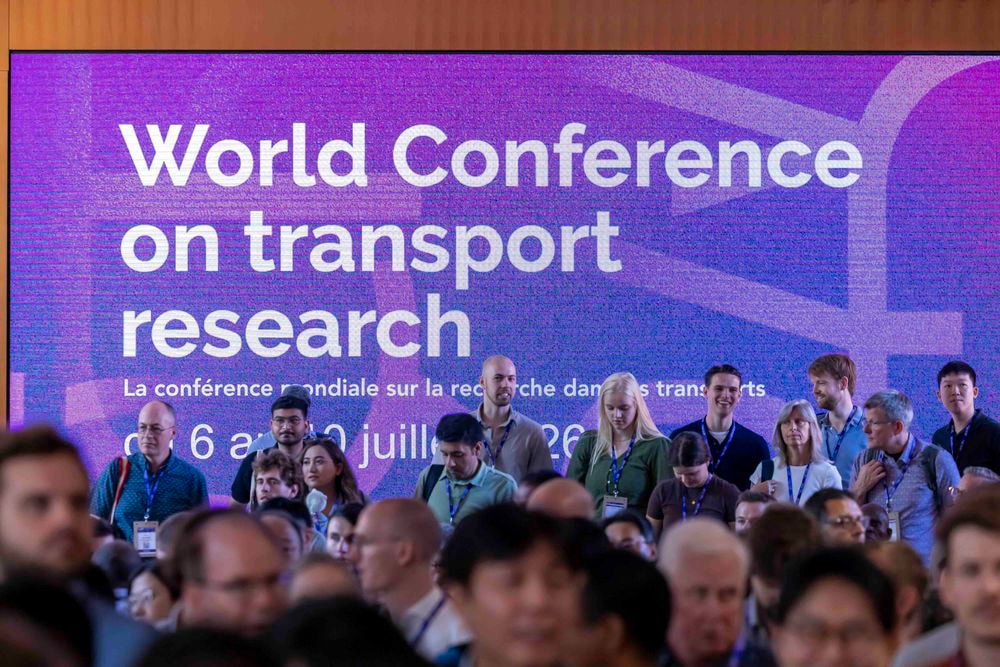

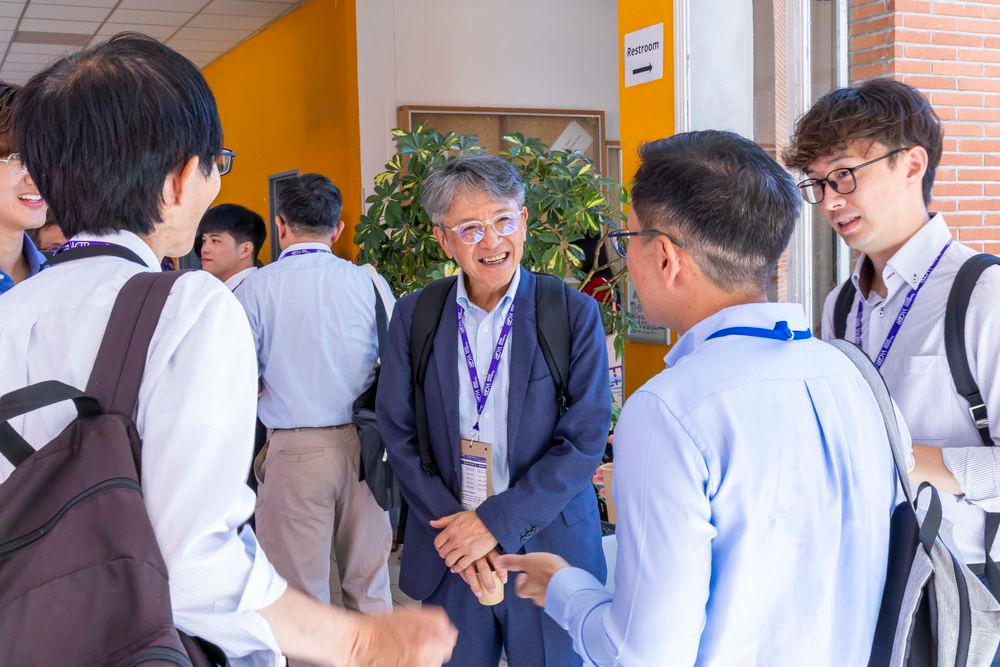
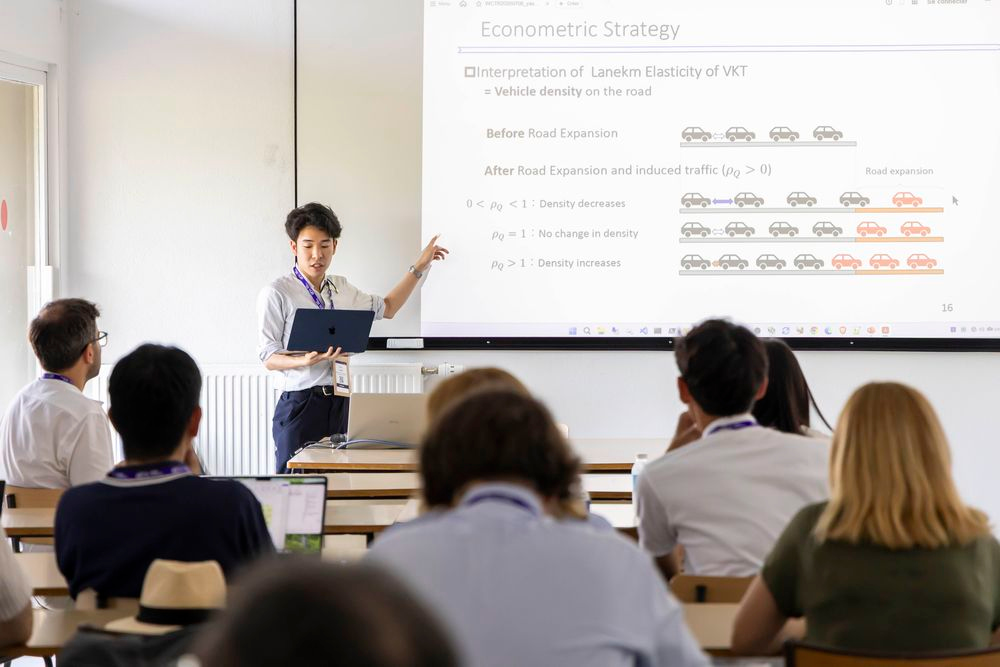
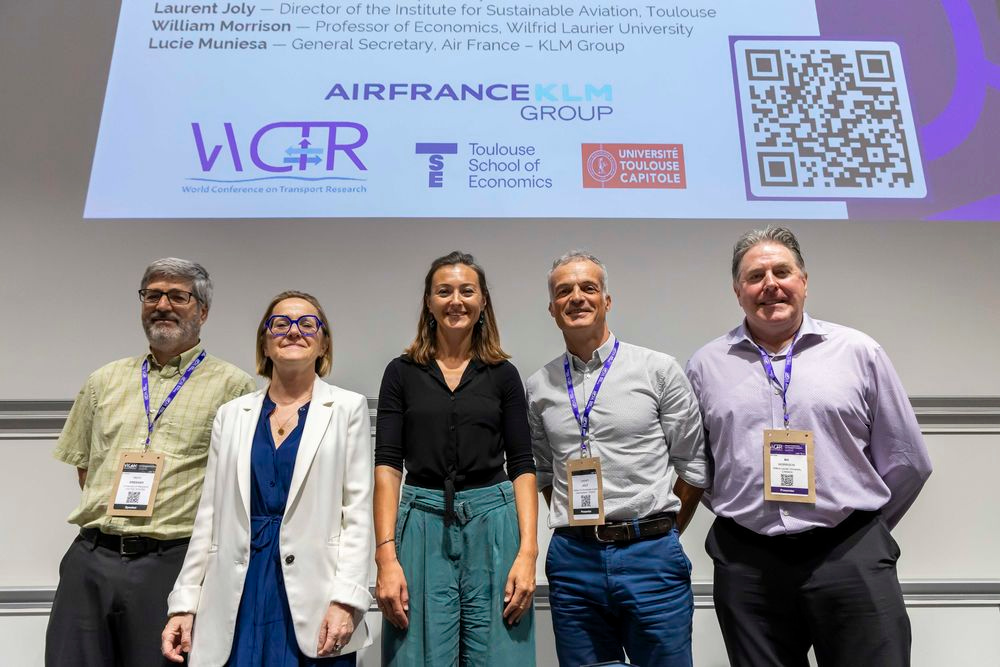
An ambitious programme: innovations, ideas and collaborations
On the programme for this exceptional week of conferences: presentations, debates and technical tours. Several highlights stood out at this WCTR:
- the International Session held on Monday 6 July, attended by Professor Tae Hoon Oum, President of the World Conference on Transport Research Society (WCTRS), on the theme “Transport and Supply Chain Policy Responses to the Deglobalising and Fragmenting World”. This session comprised three presentations entitled: “Building Resilient Transport Systems”, “Deglobalisation, Tariffs, and Chokepoints” and “Aviation at a Crossroads: Freedoms of the Air and the Future of Global Connectivity”.
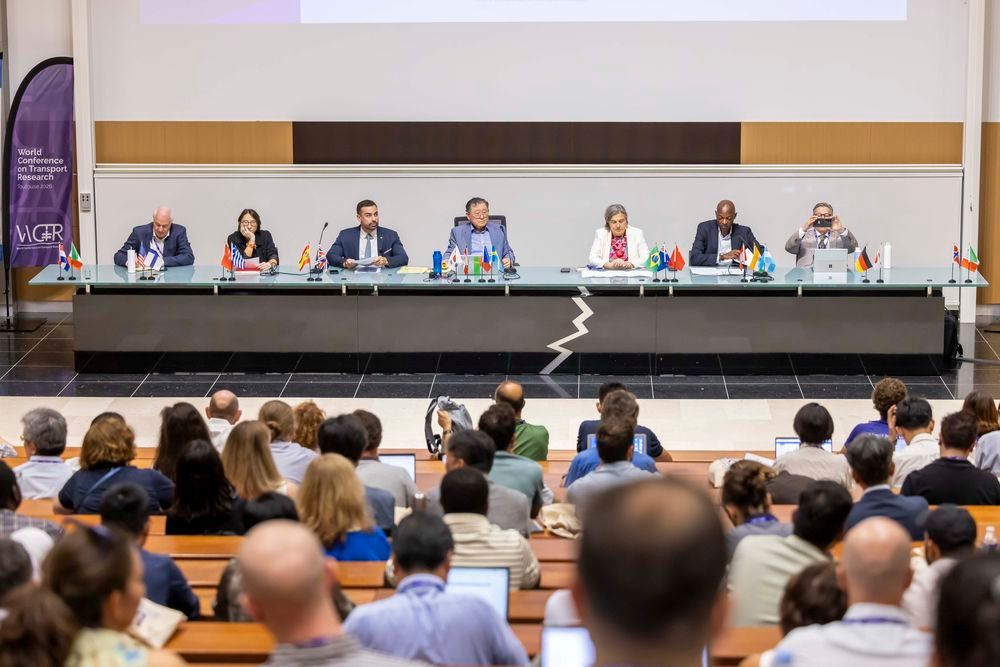
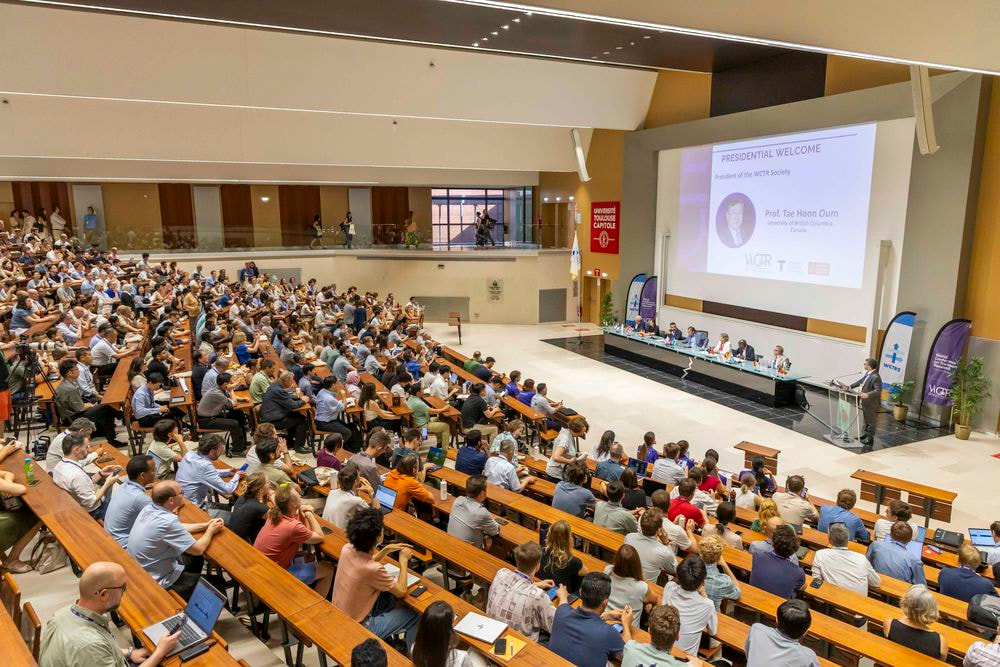
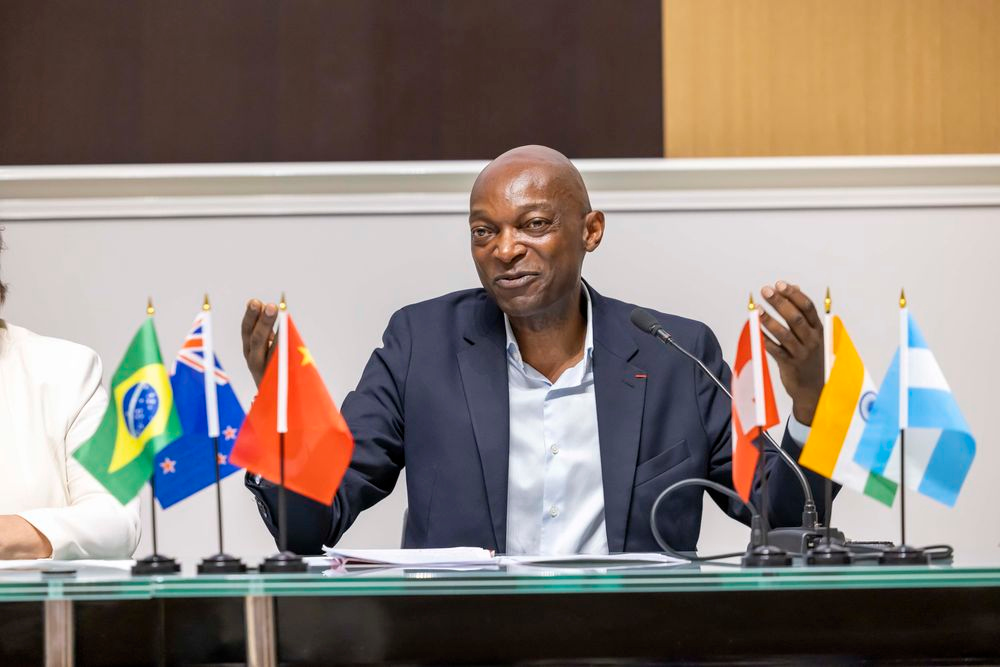
- the opening ceremony, which officially launched the event on Tuesday 7 July, featured speeches by the President of the WCTRS, Tae Hoon Oum; the Mayor of Toulouse, Jean-Luc Moudenc, the Vice-President of the Occitanie Region, Nadia Pellefigue, the Deputy Mayor of Toulouse responsible for transport, Maxime Boyer, the President of the Toulouse Capitole University, Hugues Kenfack, the Director-General of the Jean-Jacques Laffont Foundation, Karine Van Der Straeten, the Director of the Toulouse School of Economics, Victoria Barham, the Chair of the WCTRS Scientific Committee, Lórànt Lori Tavasszy, the Director of the WCTR 2026 Conference, Marc Ivaldi, and the Co-Secretary General of the WCTRS, Giovanni Circella.
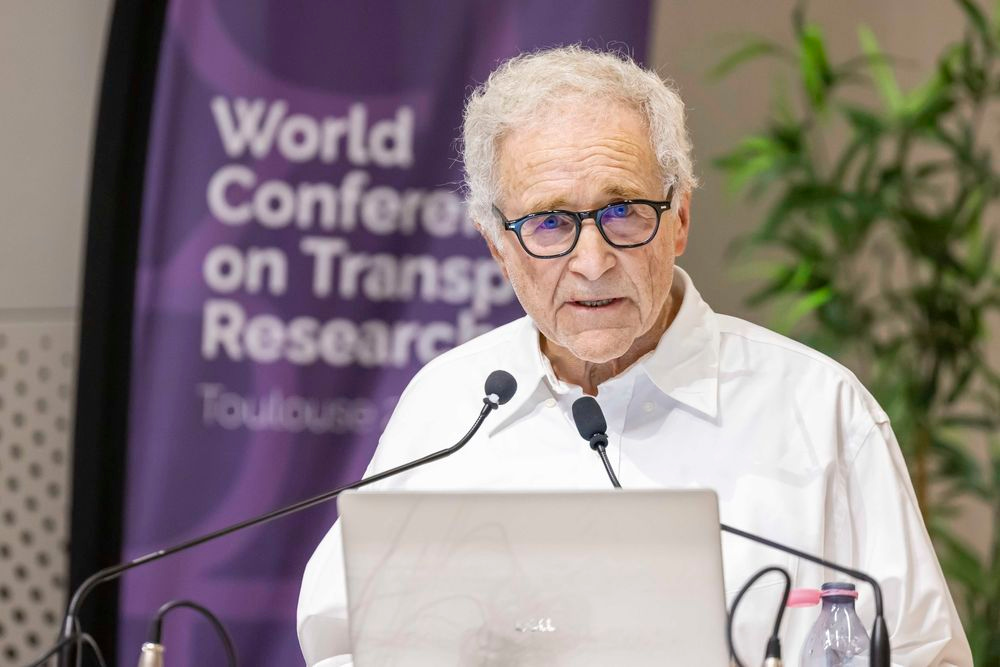
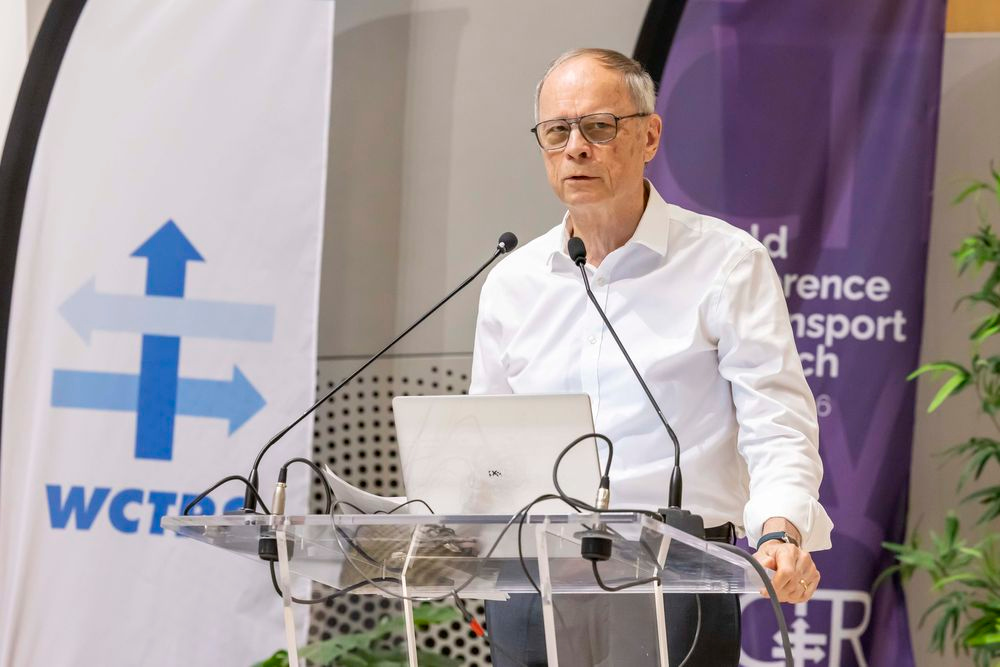
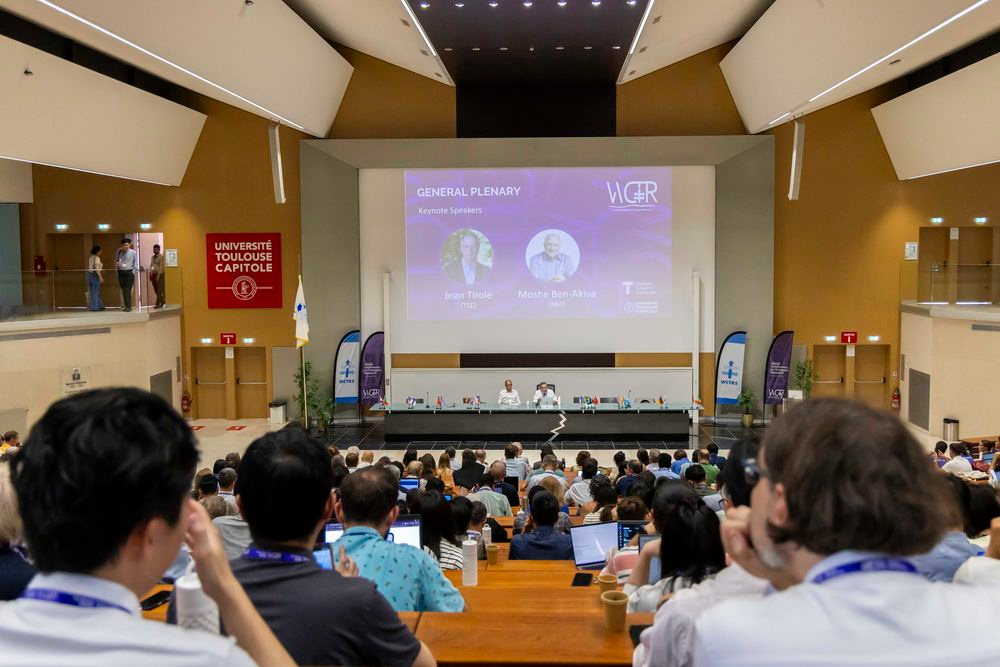
- the General Plenary Session held on Tuesday 7 July, during which Jean Tirole, Honorary President of the Toulouse School of Economics, spoke on the topic “Global Disorder, Industrial Policy, and the Transport Sector”, and Moshe Ben-Akiva, Professor at MIT in Cambridge (USA), spoke on the topic “Transportation Demand: From Prediction to Personalisation with Actionable Heterogeneity”.
- ‘Industrial Insights’ – these round-table discussions, sponsored by our partners, took place during the lunch breaks and covered the following topics: "Global Air Transport: Can Sustainability and Fair Competition Be Aligned?", "How can urban mobility innovation drive the decarbonisation of our cities?", "Rebalancing Urban Space: Reducing Car Use in Favor of Public Transport and Cycling", "Technological, Industrial and Economic Challenges of Dynamic Charging for Future Mobility", "Can we save the climate without data and the economy?" and "Pioneering Sustainable Mobility: The Strategic Edge of Southern France", in the presence of our partners Air France-KLM, EIT Urban Mobility, VINCI, Egis, Transdev and the Occitanie Region.
- The 50th Anniversary Session, held on Thursday 9 July, looked back at the major advances in transport research over the past fifty years and outlined the challenges ahead. It also honoured the winners of the ‘Manifesto for the Future of Transport Research’ competition, which invited young researchers to imagine, through a manifesto and a video, the next fifty years of transport research.
Spotlight on presentations by four researchers from TSE
According to the 2014 Nobel laureate, we are now at the end of an era. Europe has long prospered in an environment where security, energy, and international trade were predictable. Jean Tirole emphasizes that “this world is not disappearing overnight, but its foundations are weakening.” Geopolitics is once again taking center stage, and our technological dependencies are becoming vulnerabilities.
In his view, “Europe is absent from the tech sector and increasingly so from biotech.” Insufficient investment, poor sectoral allocation, and overly political governance: the frontiers of AI, autonomous vehicles, and smart supply chains are shifting toward the United States and China.
The transportation sector, in particular, is moving toward a system of taxation on emissions—whether direct or imported. These policies are essential, but Jean Tirole highlights their limitations: “The CBAM aims to prevent carbon leakage, but it does not protect European exporters and is complicated to implement.” Jean Tirole asserts that European values, by definition, entail collective choices whose demands we must recognize and whose costs we must bear.
The Jean-Jacques Laffont–TSE Foundation is particularly pleased to support the World Conference on Transport Research. This event fully reflects the values at the heart of our mission: to promote scientific research of the highest quality, open to the economic and social worlds, and grounded in interdisciplinary dialogue.
True to Jean-Jacques Laffont’s legacy, the Foundation is home to TSE-Partnership, which develops research partnerships between academia and businesses, government agencies, and public authorities. We are convinced that the best research is that which is attuned to society’s needs while maintaining complete scientific independence. The WCTR perfectly illustrates this ambition by bringing together researchers, industry leaders, and public policymakers.
The Foundation also hosts the Institute for Advanced Study in Toulouse (IAST), whose mission is to foster dialogue across disciplines. Faced with the major challenges of transportation—decarbonization, artificial intelligence, new forms of mobility, and infrastructure resilience—no single discipline can, on its own, provide all the answers. The deeply interdisciplinary nature of the WCTR, which brings together scientific communities with complementary expertise—notably engineers and economists—thus fully reflects this second mission of the Foundation.
Frédéric Cherbonnier spoke at the WCTR about the central role of pricing and price signals in regulating mobility. In light of the debate over free public transportation, the economist tempers political enthusiasm: “The data show that free public transportation attracts very few drivers; above all, it creates new trips or draws away pedestrians and cyclists, and may ultimately worsen both public transportation conditions (overcrowding) and the budgetary situation of local governments. ”
Public transportation must remain a paid service, even if fares are well below the average cost. This approach is justified by the Mohring effect, whereby high demand density allows for increased frequency and overall network quality, and explains why governments around the world heavily subsidize public transportation.
As for automobiles, the major challenge remains congestion. The ideal solution would be usage-based pricing; traditional congestion tolls like London’s could eventually give way to GPS-based systems, enabling dynamic pricing similar to the evolving model in Singapore. The question remains regarding the political acceptability and the impact of such taxes on inequality. These two issues must be addressed separately.
Recent studies show that the effect on inequality is limited: the impact of these urban tolls depends less on household income than on their actual dependence on cars. In the case of London, the effect was even very positive for low-income households, which benefited from reduced congestion on untaxed peripheral roads. As for political acceptability, these measures always create both winners and losers—though there is actually a majority of winners if the tax revenue is redistributed to households. Ultimately, however, the ideal approach is to reinvest revenue from road tolls to increase the density and modernize public transportation services.
The WCTR is a very large-scale event that covers the entire field of transportation. It is a conference that brings together researchers with very diverse approaches, all united by a common theme. As an economist, I develop equilibrium economic models applied to transportation, which leads me to approach the field from a slightly different angle. Other speakers often have a more detailed understanding of the realities of the transportation sector, so the WCTR is an excellent opportunity to expand my practical knowledge, as well as to discover the questions and methods that shape their research.
Isis Durrmeyer spoke at the session titled “Can We Save the Climate Without Data and the Economy?” The discussion focused on what kind of transportation data exists and how to use it to understand travel patterns and predict the impact of public policies. What connections exist between medium-sized cities and metropolitan areas, and what does this tell us about modal shift? What does experimental economics teach us about mobility pricing strategies aimed at promoting this modal shift?
On this topic, Isis shared her experience using survey data to estimate models predicting the impact of congestion pricing on individuals and on traffic congestion. She also discussed the possibilities opened up by digital data, such as GPS traces, which fall under the category of so-called “floating mobility data.”